
In most communities across the globe, queer identities aren’t widely accepted, but in a world where it’s wrong to be gay, it isn’t always considered wrong to do gay. In certain contexts, straight men often can freely participate in behavior that might be perceived as homosexual while still condemning LGBT identities. This contradiction raises questions about societal norms and acceptance, particularly when considering the role of race in shaping perceptions of what constitutes acceptable sexual expressions.
Homosexuality was viewed differently in ancient Rome. In Latin, there were no specific terms for heterosexual or homosexual; instead, people in sexual relationships were categorized as either active (masculine) or passive (feminine). This distinction made it acceptable for freeborn male Romans to engage in homosexual sex, but because Rome was a highly militarized society in which traits like conquest and power were highly valued, men could only have sex with other men if they took the active role.
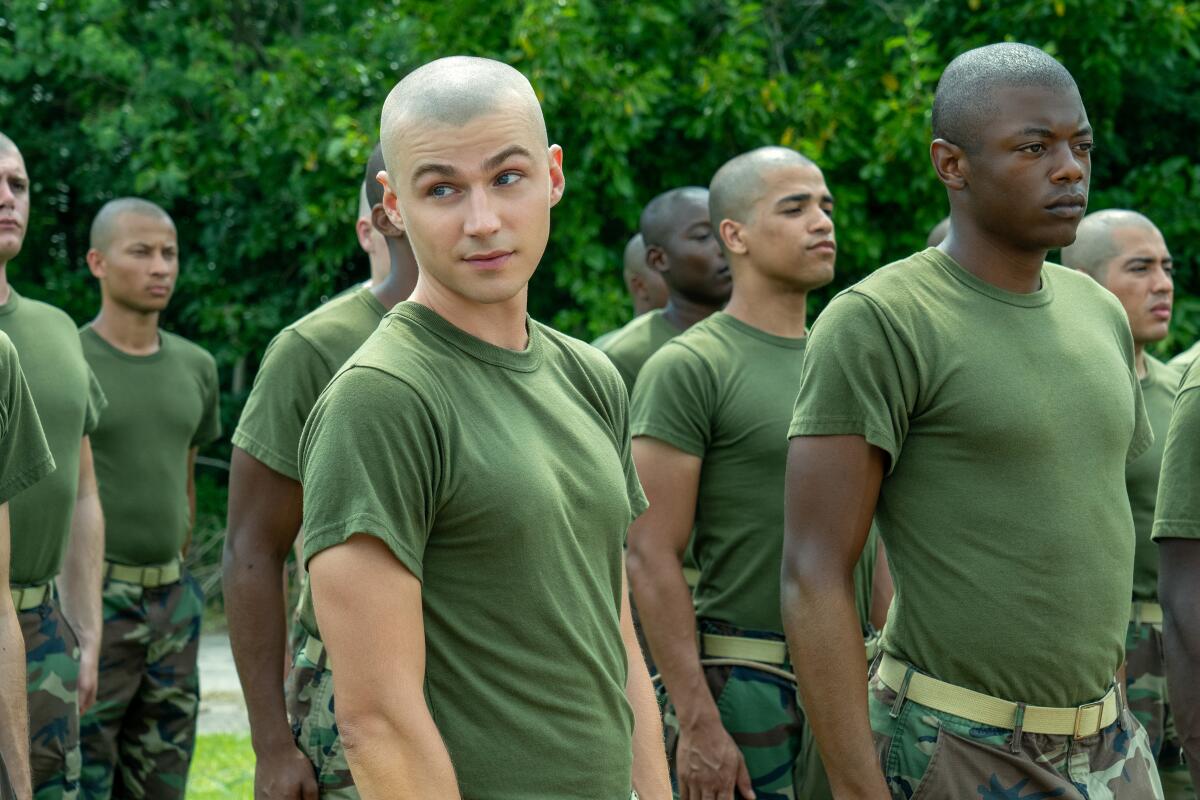
In her book, Not Gay: Sex between Straight White Men, Jane Ward explores the modern phenomenon of military hazing rituals that involve sexualized activities—such as genital grabbing and simulated sex—that are framed as non-homosexual, as acts of dominance and humiliation meant to foster a sense of camaraderie. In college fraternities, hazing rituals such as the “elephant walk” constitute normalized homosexual behavior amongst straight white men. The ritual involves members stripping down and linking together in a way that mimics elephants, with participants inserting their thumbs in one another’s anuses.
Ward argues that certain acts, particularly in single-sex settings like the military and fraternities, enable straight white men to engage in same-sex physical experiences without threatening their heterosexual identity. They do this by framing these encounters as trivial, obligatory, or displays of power rather than expressions of desire. The unpleasantness associated with some of these acts ultimately reinforces the participants’ self-perception as heterosexual.
When men participate in homosexual activities outside military settings and fraternities, it often occurs in a joking manner, as when a man humps his friend while his friend is in a compromising position. This allows men to explore same-sex interactions—some of which may come from a place of genuine desire and not just banter—without the fear of compromising their heterosexual identity.
Furthermore, the way exploration of sexuality is perceived varies significantly across races. White men often have more freedom to experiment without facing harsh judgment. They can engage in multiple same-sex encounters and label them a phase. But a Black man who has a single same-sex experience, perhaps while intoxicated in college, is frequently labeled as gay regardless of the context. We see this in the HBO series Insecure when one of the main characters, Molly, decides against dating a man who engaged in oral sex with another man during college. Though it was a one-time experience, and she had a similar experience herself, Molly considered this a dealbreaker.
Black men who express interest in anal play also are often labeled as gay and face stigma, even if the act involves a cisgender heterosexual woman. In contrast, white men have more freedom to explore their sexuality so long as it involves a woman. This is clearly seen in online conversations (on X, TikTok and podcasts) surrounding pegging and analingus, which are seen as the prerogative of white men but not Black men. In predominantly white spaces, these discussions are frequently—although not always—embraced, while in predominantly Black spaces, they often face harsh criticism, and the person who raises the topic may be ridiculed.
Because white men hold a higher social status, Black men (indeed all men of color) are held to a higher standard of masculinity. Black men are held to a rigid standard of masculinity resulting from a mixture of historical oppression, racial stereotypes, and media representation. Black men face more social repercussions for homosexuality or homosexual behavior outside a context that is considered appropriate because they have a “thug” perception to maintain.
Intersectionality teaches us that these attitudes are more nuanced. Men of color from higher socioeconomic backgrounds often have more freedom to express their sexuality than those with fewer resources and less education. Nonetheless, we live in a world where it is often considered wrong to be gay, but okay to do gay. This means that queer people, men of color, and even straight white men will face varying levels of hardship based on the perception of their sexuality, as the patriarchy ultimately benefits no one.

Kelley Nele, a trans educator based in Pretoria, South Africa, has written for LGBTQ Nation, Reader’s Digest UK, and Metro UK, among other publications.



