
My descent into homelessness has been sharp, sudden. No mental preparation, no emotional processing. Just reality abruptly hitting you in the face, like a car wreck on a busy freeway—uncompromising and final.
One day you’re a successful technical professional—house, marriage, friends, two jobs. The next you’re alone, sleeping on the hard tile of the bathroom floor in the freezing cold because the mold in your house has thrown your immune system into an overdrive so intense you can’t sleep, think, or breathe anywhere else. All the while, your now-former wife, sensing an uncomfortable situation rapidly developing, makes a calculated decision to bail in search of greener, less complicated pastures.
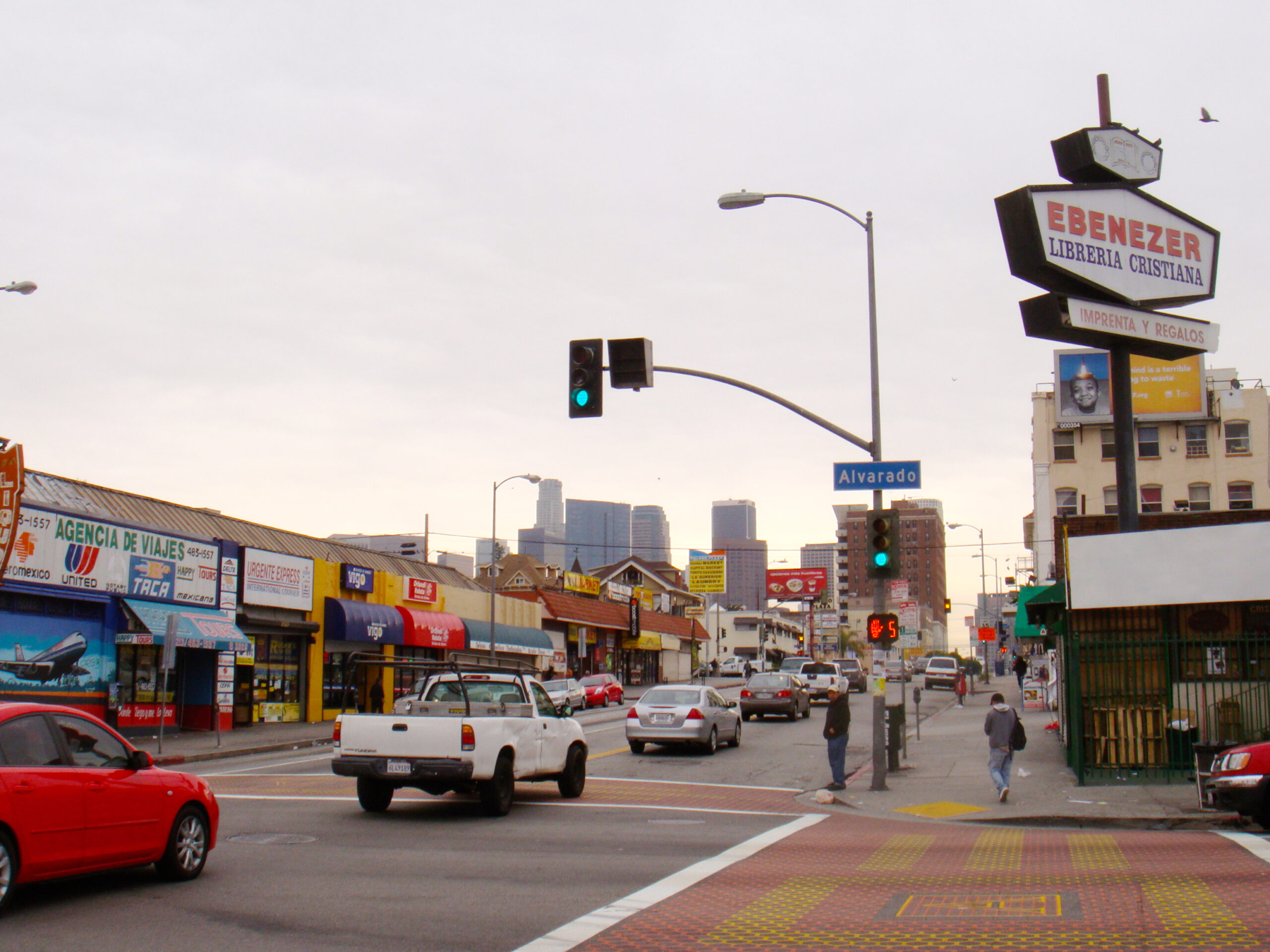
And the day after that … well, it’s a blur. There must’ve been quite a few days after that, all condensed into one uninterrupted nightmare. Almost a year has passed between that day I realized something is definitely wrong—struggling to think and breathe in my suburban four-bedroom house in the Midwest—to now finding myself trying to curl up on the front seat of my car, attempting to get some rest on a busy Los Angeles street. Piles of the remnants of my belongings occupy the back seat, blocking the view behind me as if to confirm the finality of what’s happened. There is no going back now. My tumble into the bottomless hole I find myself in is complete.
But time is weird that way. With no emotional processing or introspection, you get stuck in the state of mind you’re used to, while the rest of the world keeps rolling past you, over you. No new sensory information is absorbed. The body and mind continue to function as if the wreck didn’t happen, running on sheer inertia. Because the violence of what occurred feels so unbelievably unfair, you can’t internalize it.
It didn’t happen. Did it? You ask yourself in those rare moments of clarity when immediate survival concerns aren’t at DEFCON 1, or the detachment is so extreme you simply cannot process reality anymore.
Oh, but it did. And the “car wreck” replays in your mind with all the tactile violence of the initial hit, flooding your senses in overwhelming waves of sorrow so profound your throat begins to tighten and close. Struggling to breathe, only the occasional heaving sobs break up the chokehold. PTSD.
The emotional limbo of being alive in this unfamiliar state is a strange thing. Feeling detached from what is happening around you, from the very things you’re doing and thinking every single day of this new life, becomes the de facto new normal. Putting one foot in front of the other in an endless succession of similar days. Survive. Drown in the pit of unrestful sleep. Survive again. Rinse and repeat. Rinse and repeat.
. . .
The exact sequence of events that brought me to the sorry state of affairs I find myself in may not even be all that important in the grand scheme of things, but I remember the moment it all started—the moment everything changed. It’s laser-etched into my memory like an engraving inside a wedding ring.
What is that smell? The thought appeared suddenly one particularly rainy spring day as I laid down on my yoga mat for an early morning routine. A sticky, uneasy thought that made my heart drop, the kind that doesn’t want to leave once it’s born.
Is that … MOLD? The next thought followed inevitably. And the shiver that ran down my spine when this realization hit was so intense I can still feel it in my body. The realization that, if this was what I thought it was, my life would not be the same from this point on.
I did my best to push the thought away. To drive it out of my mind, as far away as I could from the illusory peace I was living in.
But the thought persisted. It kept creeping in—every time a new, unexplainable headache appeared; every restless night of half-sleep, half-wakefulness that left me even more exhausted by morning; every wave of fatigue that grew heavier, day after day, until I began cutting corners at work whenever I could. And when I couldn’t … well, those were the days that left me so sick I couldn’t work at all the next day. Or the day after that.
What followed was a long and futile battle my body waged against the toxic, unhealthy environment we all live in—exact details of which are rapidly fading from my memory. PTSD will do that. And ultimately, they’re not all that important anyway. What’s crucial to this narrative is that this is happening daily, right now, to thousands—hundreds of thousands—of people, primarily young women and people of color, across this country.
Mine is not a singular case. It’s not a one-in-a-million freak accident, easily dismissed with a simple, “Tough luck, my friend; you should play the lottery sometime.” It’s a consequence of the systemic societal neglect, corporate propaganda, and collective compassion fatigue that is so prevalent today.
The wrecks caused by this incurable illness—quaintly called chronic fatigue syndrome, as if to further minimize the unbearable pain it inflicts—are taking a collective, unquestionable human toll, yet they remain almost completely invisible.
This “silent epidemic,” as it’s been called in closeknit medical circles for decades, affects millions in the United States alone. We suffer in darkness, largely unknown and unknowable, with only our families—if we’re lucky enough to have them—bearing witness to the private, slow-motion catastrophes taking place. We’re not strong enough to fight for ourselves—although we try—because that’s the nature of the disease. It saps energy so profoundly that on many days you don’t even have enough left to open your eyes, or speak, or read. All you can do is lie in internal silence, with only your thoughts to keep you company.
The lesson? It can happen to anyone, at any time. No one is immune. No one is prepared.
So the next time you see a car precariously parked on your street with tinted windows and blinds drawn, instead of muttering a profanity as you pass by, stop and ask yourself: What if this happened to me tomorrow?
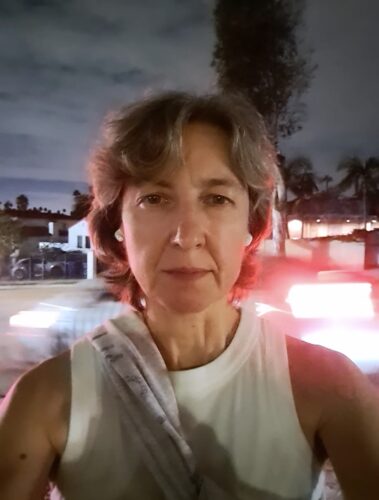 Zhana (ZK) Liner is a writer and visual artist based in Los Angeles, California. Her work comes out of illness, trauma, and the long aftermath of survival – what it feels like when the world keeps moving while you’re left standing in the wreck. She writes about what it means to lose everything, lose hope, and still find the courage to rebuild it anyway.