Caste and Gender Identity in India
Discrimination against Dalit trans people dates back to the colonial era, when the Raj criminalized gender-nonconforming people from marginalized castes.
MoreDiscrimination against Dalit trans people dates back to the colonial era, when the Raj criminalized gender-nonconforming people from marginalized castes.
MoreGender fluidity is deeply embedded in African spirituality, which included androgynous and intersex deities.
More
Today, African LGBT activists are reclaiming these legacies. In Angola, organizations like Iris, an LGBT rights group, draw on chibado traditions to advocate for trans rights, hosting cultural festivals that echo ancient rituals.
More
IN MAINSTREAM LGBT CULTURE, a person’s identity is often defined by the act of “coming out” to family, friends, and others. Many Native Americans who identify as Two-Spirit see it differently. Cree Two-Spirit scholar Alex Wilson describes the Two-Spirit journey as one of “coming in,” a reframing that shifts the focus from public disclosure to a return—a reclaiming of one’s place within family, community, culture, and land.
More
Store owners often turned to their young clerks to act as sex guides to the back alleys and elegant bordellos of Manhattan. Clerks would trade tips with one another about the best places to engage sex workers, both for themselves and for their out-of-town clients, frequently sharing unnecessarily detailed descriptions of their encounters.
More
McKinney does an admirable job of reframing much of the scandal and paying homage to the genius of Pee-wee Herman. The book celebrates that such a singular, queer, and transgressive character ever existed, and the author’s sadness at Reubens’ passing is palpable. It’s a fitting tribute, one that Reubens richly deserves.
More
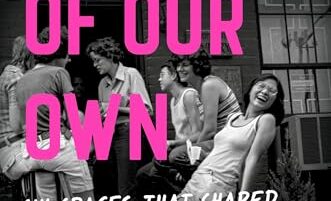
FOR LESBIANS of a certain age, reading June Thomas’ A Place of Our Own may bring on a wave of nostalgia, especially the parts about the 1970s and ’80s. Thomas has written a breezy yet substantial history of six types of spaces that have been important to our culture: lesbian bars, feminist bookstores, the softball diamond, lesbian land, feminist sex-toy stores, and vacation destinations. Each sort of space has its own unique vibe, but they all share a history of lesbians trying, and often failing, to make it in a heteronormative capitalistic society while prioritizing lesbian feminist ideals. The efforts were often heroic and the results transformative in the lives of the women who spent time in these spaces.
More
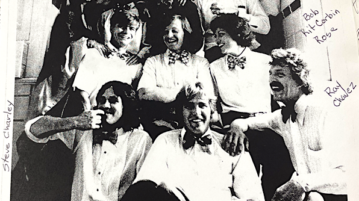
In 1973, a major change took place in the lives of LGBT+ San Antonians with the opening of SA Country. … The bar was raided almost immediately.
More
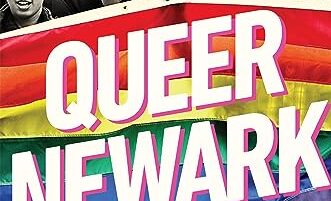
The accounts in Queer Newark were made possible in large part by the creation of the Queer Newark Oral History Project in 2011. Scores of interviews have been collected, some recounting events going back to the World War II era and the 1950s. They make the essays come alive with deeply personal accounts of individual lives across three-quarters of a century.
More
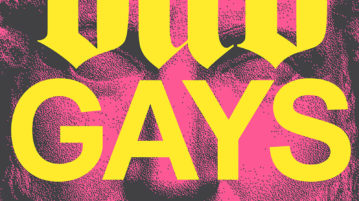
IN THEIR INTRODUCTION to Bad Gays: A Homosexual History, authors Huw Lemmey and Ben Miller illustrate one of their central arguments with a trenchant contrast. Oscar Wilde has emerged as one of the key figures of the contemporary LGBT rights movement, they point out, as he “was one of the first men in British society to give a creative form to a sexuality that barely yet understood itself,” and they agree that he earned this place.
More