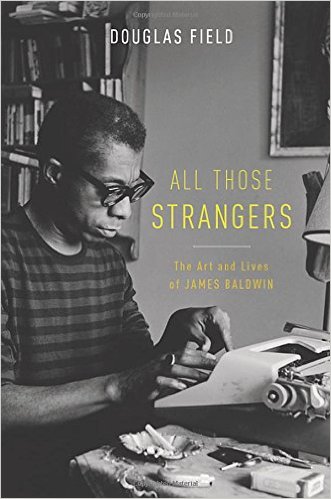
Baldwin the Shape-Shifter
Baldwin first came to the attention of a large public in 1949 with the publication of his second novel, Giovanni’s Room, about a white man’s same-sex adventures in France.
More
Baldwin first came to the attention of a large public in 1949 with the publication of his second novel, Giovanni’s Room, about a white man’s same-sex adventures in France.
More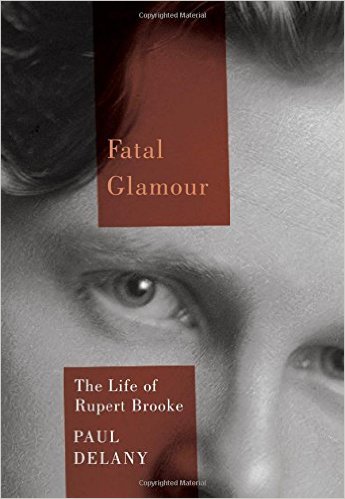
RUPERT BROOKE is one of those figures who continually haunt the periphery of literature, a figure of myth and uncertainty. Chief among his attributes is that he is forever linked with the generation of English poets who perished in World War I.
More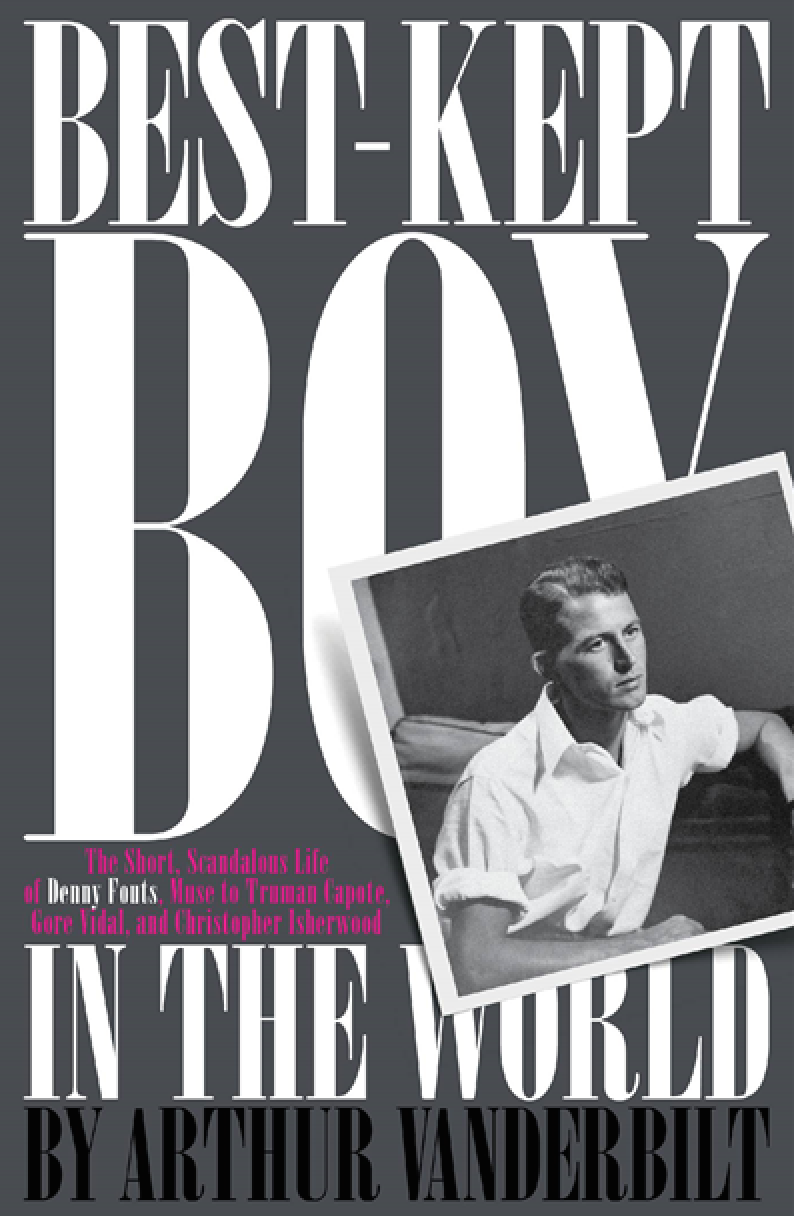
Author Arthur Vanderbilt presents his subject not as someone who speaks for himself but as an appendage to others, usually men of wealth and position and/or noteworthy talent.
More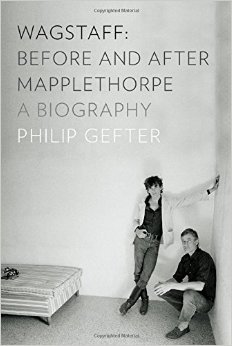
Philip Gefter, photo editor, journalist, and film producer, has produced a book that makes the case for Wagstaff’s importance in elevating photography from its inferior critical and market position in the art world.
More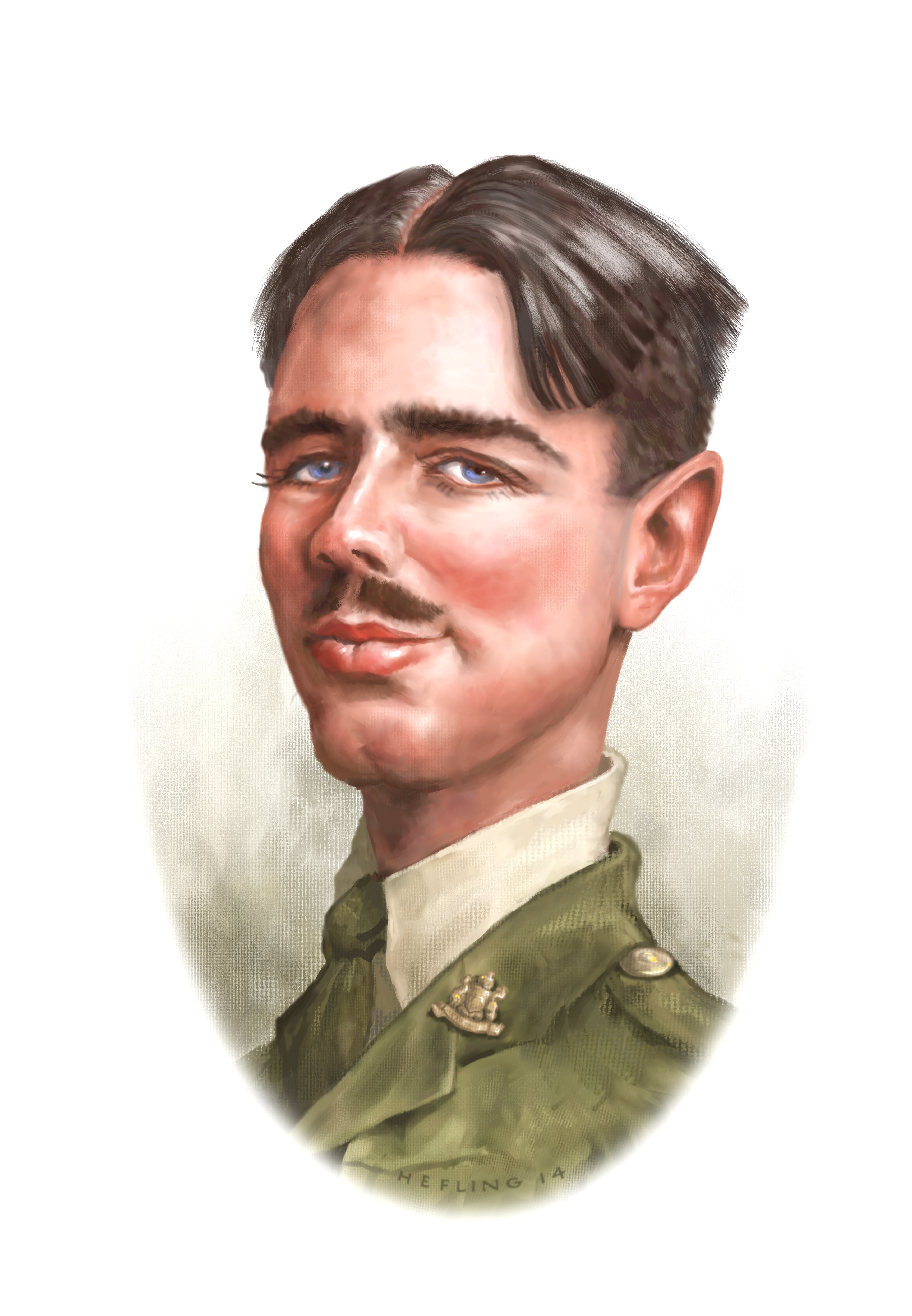
[Wilfred] Owen collected antiques, even searching for them while on leave from the Front, hoping perhaps to sell them professionally after the war. He was inordinately attached to his mother, … [and] was obsessed, too, with growing older, something he never experienced given the mortal wound that killed him at age 25 just weeks before the war’s end.
More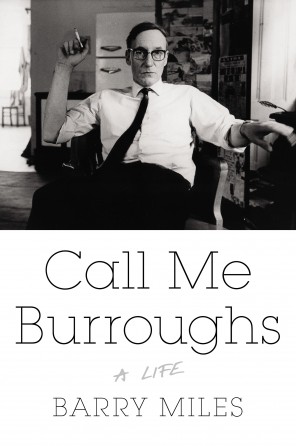
THIS COMPREHENSIVE biography covers the life and writings of one of the best-known American novelists of the 20th century, from his birth and early life in St. Louis, Missouri, to his final years in Lawrence, Kansas.
More
THERE’S A REASON why Henry James burned his papers in the garden of Lamb House: when a famous writer dies, he’s vulnerable. People swoop in and write up his life, often in a way that Joyce Carol Oates would later call “pathobiography.”
More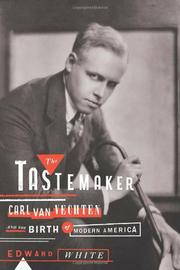
Carl van Vechten receives the copious and discriminating biographical analysis he has long needed, in the form of The Tastemaker, an exceptional publication and Edward White’s first book.
More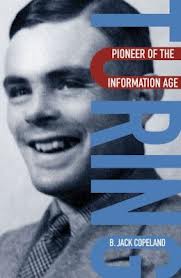
In Turing: Pioneer of the Information Age, B. Jack Copeland argues that we should not assume that Turing took his own life, because we don’t really know how he died. What matters more is …
More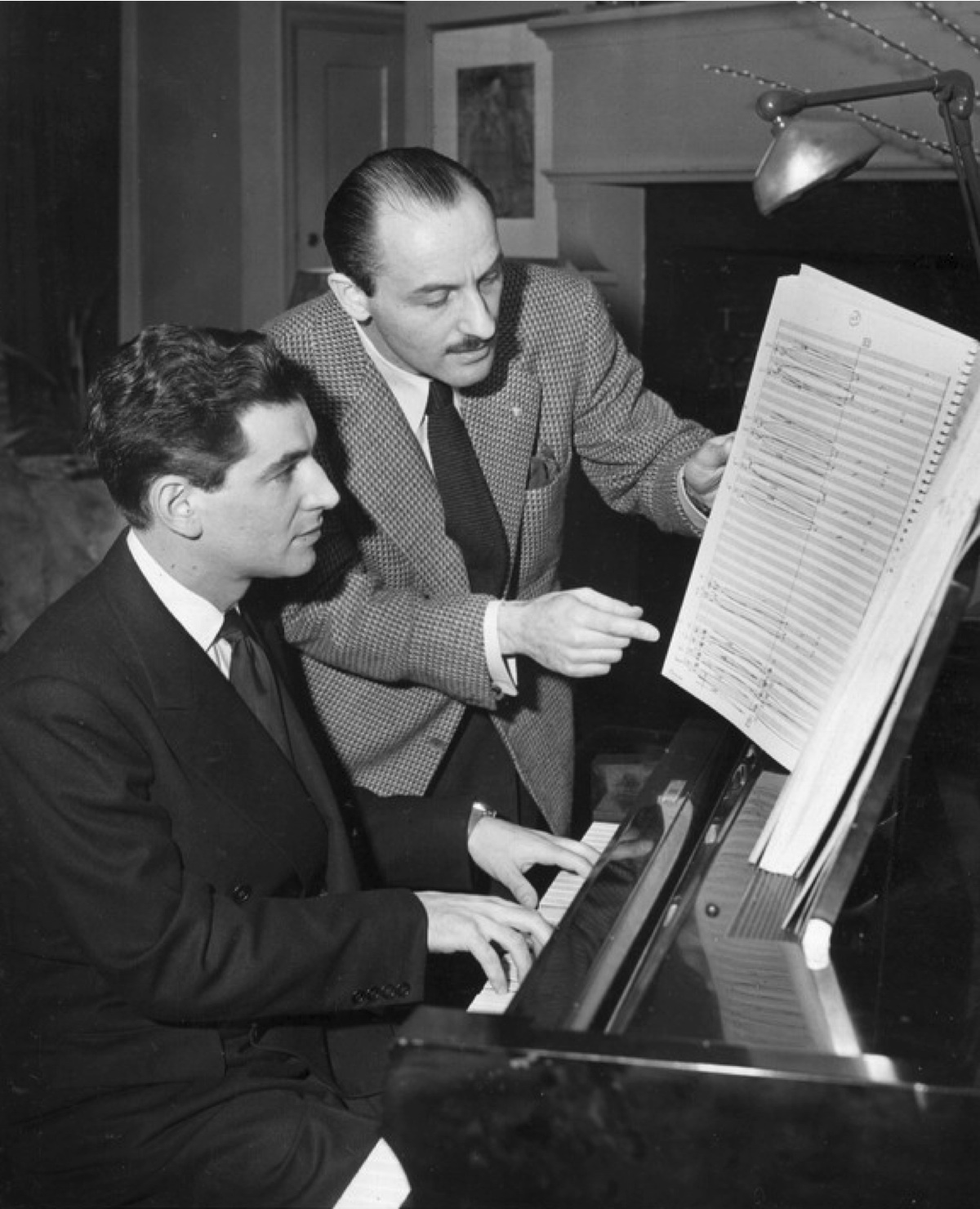
GROWING UP in a leftist family in the 1950s, my cultural education included lectures given by my mother on the connection between politics and the arts. She would tell me of her experiences as a young socialist during the 1930s attending politi- cal theater in New York City. Her favorite socially conscious composer was Marc Blitzstein. Howard Pollack, professor of music at the University of Houston, has written a comprehensive biography that opens a window onto the creative genius of Blitzstein while offering a thorough study of his innovative music.
More